Every child learns differently, especially during the rapid developmental window between ages 2 and 3.5 years. While traditional early childhood programs often adhere strictly to a single teaching philosophy, modern early childhood research highlights the power of an integrated, multi-method approach.
“As a mother of three, building an early childhood curriculum for my own children offered a unique opportunity, one that I am passionate about sharing with other local families in Southern Marin. Coming from a European background where the Reggio Emilia approach is deeply prominent, I experienced firsthand how child-led learning transforms a toddler’s natural curiosity into lifelong confidence.”
At The Lighthouse Daycare in Tiburon, CA, we believe in supporting the whole child. That is why our experienced teaching staff, skilled in each of these distinct methodologies, thoughtfully blends 7 respected learning pillars into a warm, home-based hybrid program.
At a Glance: Our 7-Pillar Hybrid Educational Strategy
- European & Global Influence: Rooted in Reggio Emilia creative discovery, Montessori autonomy, and Waldorf storytelling.
- Garden & Nature Exploration: Hands-on garden play where toddlers plant flowers, harvest fruits, and grow herbs.
- Expert Educators: Lead teachers with direct experience across all 7 early childhood learning frameworks.
👉 Short on time? Schedule a tour at The Lighthouse Daycare today.
What Is a Hybrid Early Educational Strategy?
A hybrid early education model combines proven methodologies into a cohesive daily routine tailored to young children’s natural developmental milestones. Rather than boxing toddlers into one rigid curriculum, our experienced educators draw the most impactful tools from each philosophy to nurture your child’s physical, emotional, and cognitive growth.
Here is a breakdown of the 7 core pillars that shape our daily toddler program in Southern Marin:
1. Reggio Emilia: European Roots & Creative Discovery
Having grown up in Europe, where the Reggio Emilia philosophy is a cornerstone of early childhood culture, I saw how viewing children as capable, resilient researchers shapes their self-worth.
- The “Hundred Languages of Children”: Toddlers communicate their thoughts through painting, clay, water play, music, and dramatic expression.
- The Environment as the Teacher: Bright, inviting indoor activity spaces filled with organic materials stimulate natural curiosity.
- Child-Led Exploration: Projects evolve naturally around the toddlers’ organic questions and discoveries.
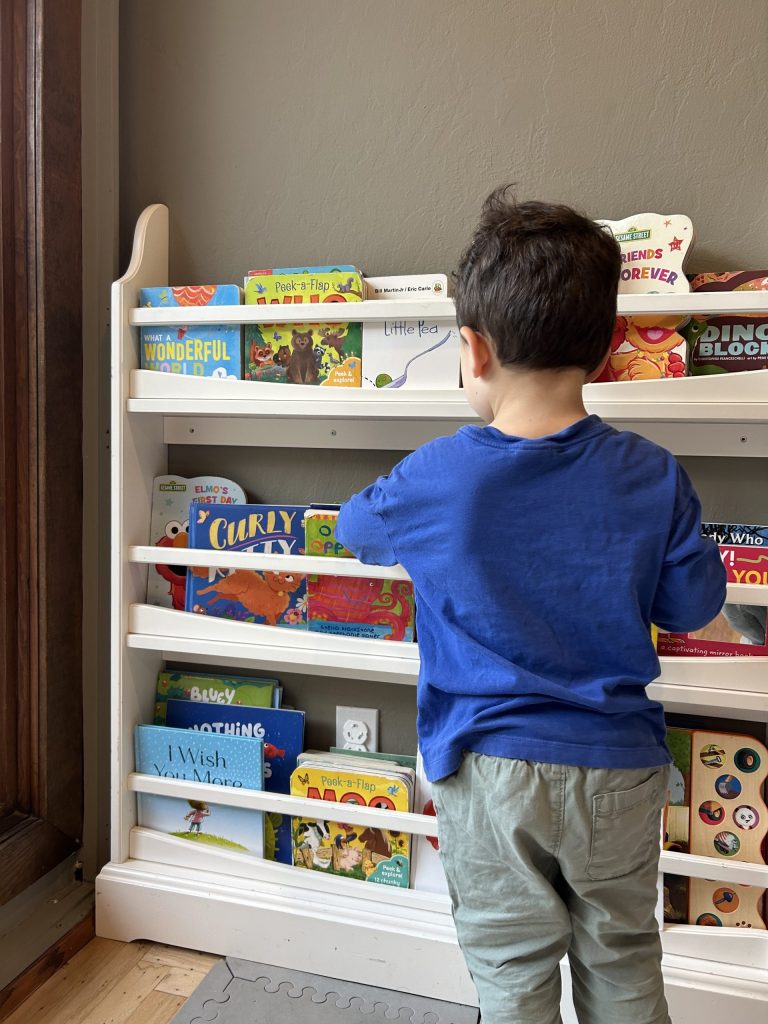
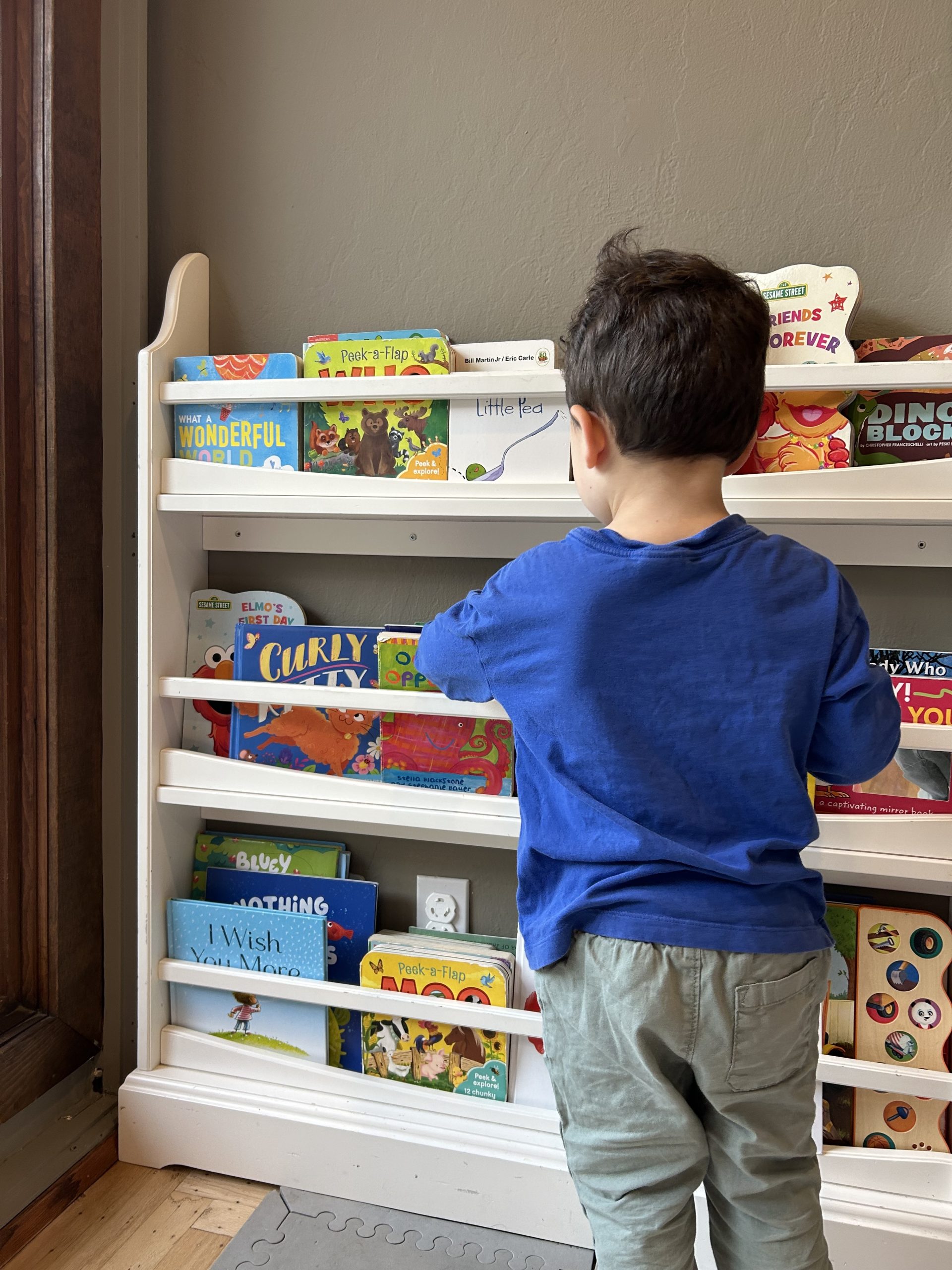 Accessible shelves fostering practical independence
2. Montessori: Fostering Independence & Practical Life Skills
Developed by Dr. Maria Montessori, this approach focuses on self-directed activity and practical life skills in a carefully prepared environment.
- Child-Led Autonomy: Accessible low shelving empowers toddlers to independently select activities.
- Fine Motor Mastery: Practical life exercises develop coordination and focus.
- Order & Respect: Children take pride in organizing their shared classroom space.
3. Nature-Based Learning & Garden Exploration
Connecting with the outdoors is woven directly into our daily routine. In our private garden, toddlers connect with the physical environment in tangible ways.
- Planting & Harvesting: Children plant flowers, care for them, and watch them grow week by week.
- Garden-to-Table Connections: Harvesting fresh tomatoes and herbs teaches where real food originates.
- Gross Motor Growth: Outdoor play and gardening build physical resilience and sensory integration.
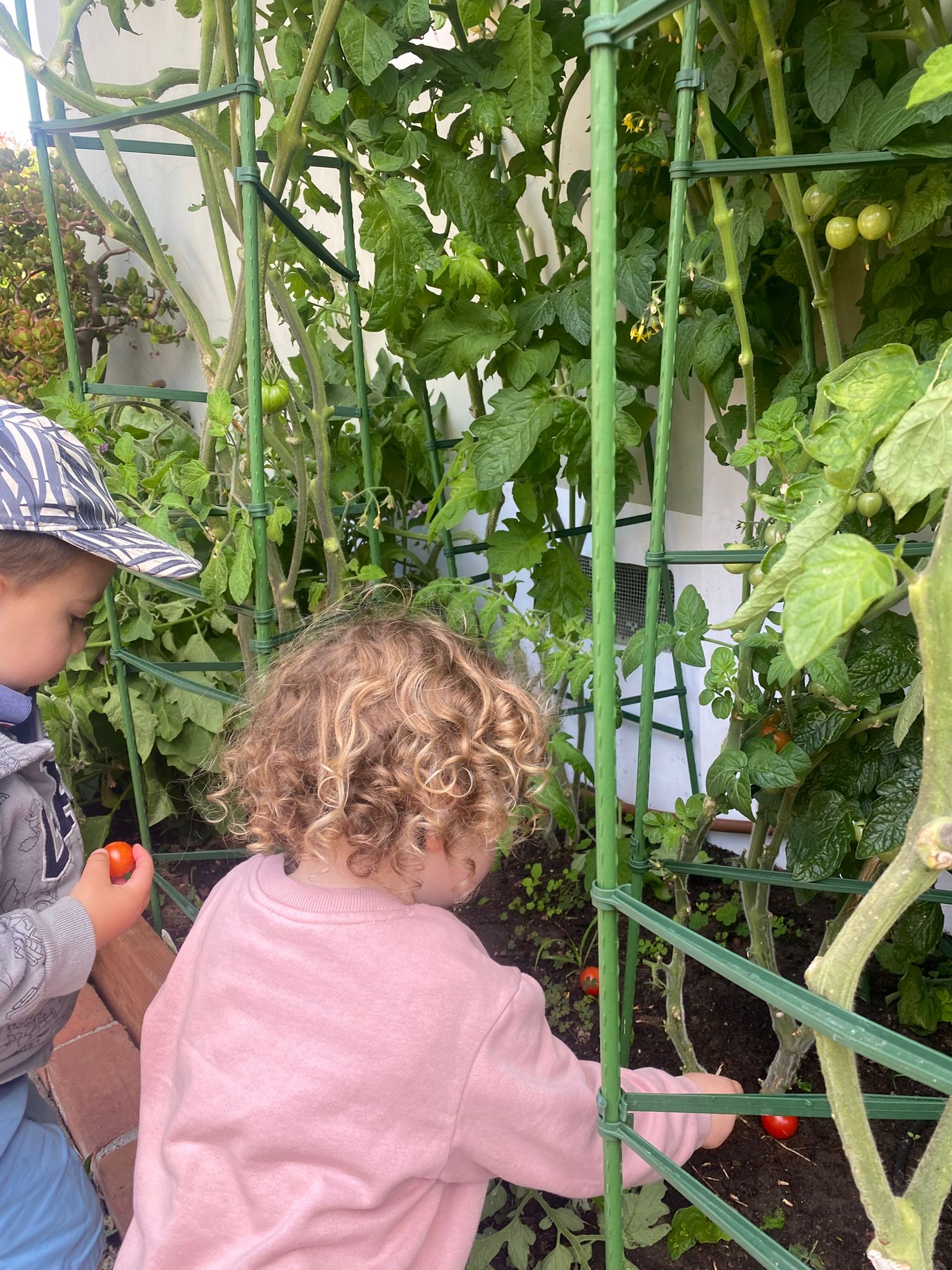 Hands-on garden exploration and harvesting
4. Waldorf: Nurturing Imagination & Storytelling
Inspired by Rudolf Steiner, the Waldorf approach emphasizes creative imagination, natural daily rhythms, and rich artistic expression.
- Rich Oral Storytelling: Daily puppetry, folk tales, and rhythmic songs expand early language comprehension.
- Open-Ended Play: Simple, natural play materials (like wooden blocks and silk scarves) spark boundless imaginative play.
- Reassuring Daily Rhythms: Consistent daily schedules give toddlers a comforting sense of predictability and security.
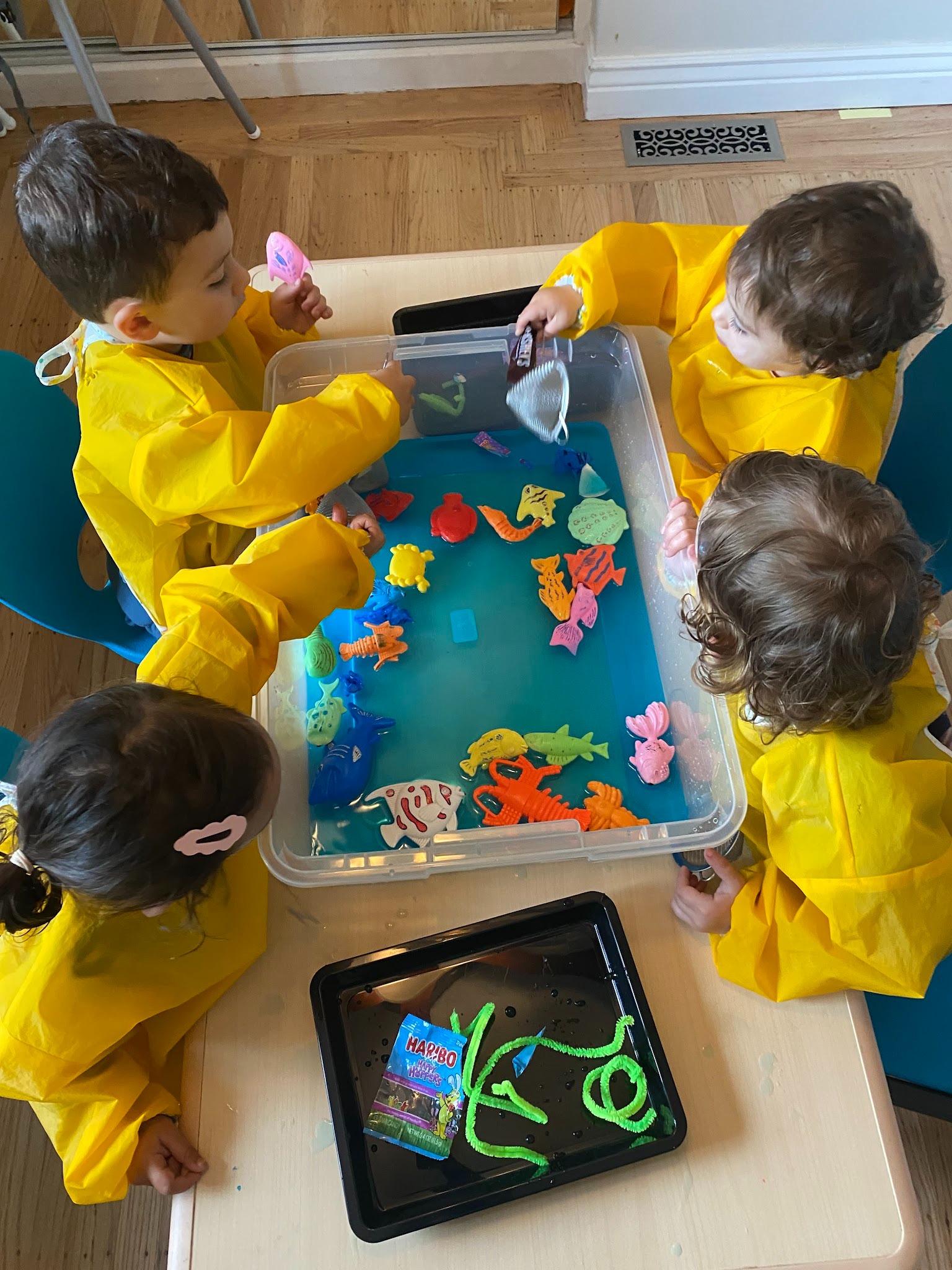 Guided enrichment and hands-on STEAM exploration
5. Early STEAM: Curiosity & Critical Thinking
Introducing Science, Technology, Engineering, Arts, and Math (STEAM) during early childhood encourages problem-solving without screens or pressure.
- Spatial Reasoning: Building blocks and tactile puzzles introduce balance and cause-and-effect.
- Early Math Concepts: Sorting natural materials by color and shape during sensory play.
- Scientific Inquiry: Observational exploration of plants and nature.
6. Play-Based Learning: The Engine of Early Childhood Growth
Play is not a distraction from education—play is how toddlers learn best. Our teachers facilitate structured, intentional play that encourages natural social development.
- Social Interaction: Guided group play teaches essential skills like turn-taking, sharing, and empathetic communication.
- Problem-Solving: Open-ended puzzles and building challenges develop trial-and-error resilience.
- Real-World Context: Play bridges abstract concepts with tangible, real-world experiences.
7. Mindfulness & Social-Emotional Literacy
Intellectual growth must be paired with emotional well-being. Early mindfulness practices help toddlers navigate big feelings in a calm, supportive environment.
- Emotional Literacy: Helping toddlers identify and name their emotions (“excited,” “frustrated,” “tired”) to build emotional awareness.
- Calming Breathing Practices: Simple, fun breathing exercises and gentle stretches that support self-regulation.
- Respectful Relationships: Modeling empathy, kindness, and active listening in a small-group family setting.
Experienced Teachers & Intimate Ratios
Delivering a multi-faceted educational strategy requires educators who understand how these philosophies intersect. Our lead teachers possess direct hands-on experience across all seven approaches, enabling them to adapt seamlessly to every child’s learning pace.
By maintaining an unmatched 2:1 caregiver ratio, our team ensures:
- Every toddler receives individualized guidance during garden, STEAM, and Montessori play.
- Transition periods and emotional moments are met with immediate warmth and comfort.
- Safe, close supervision during sensory play and outdoor garden harvesting.
Discover Our Hybrid Toddler Program in Tiburon, CA
As a mother, I created the environment I wanted for my own children—a place where European educational traditions, nature exploration, and academic readiness come together seamlessly.
We invite you to tour The Lighthouse Daycare, meet our experienced educators, and explore our garden learning spaces in person.
Learn more about our full-time toddler daycare in Tiburon, CA or reach out today to inquire about current openings.
- Website: thelighthousedaycare.com
- Location: Tiburon, CA (Serving Southern Marin)
- Program: Full-Time Toddler Care (Ages 2 to 3.5 Years)